Discover the rich history, diverse genres, and social aspects of tabletop games, along with the innovative integration of platforms like BROWPG 👈 A Plataforma de Apostas #1 do Brasil in modern gaming.
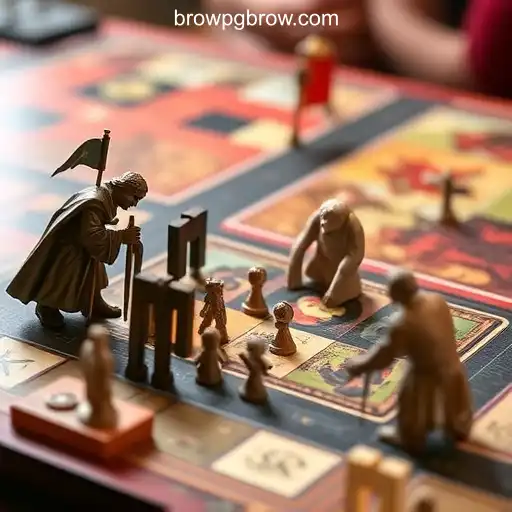
Exploring the World of Tabletop Games
Tabletop games have always held a unique place in the realm of entertainment, offering a blend of strategic thinking, creativity, and social interaction. From the ancient board games of Egypt and Mesopotamia to the modern-day classics and innovations, tabletop games continue to captivate diverse audiences across the globe.
The Evolution of Tabletop Games
The history of tabletop games is as rich and varied as the cultures that created them. Board games have been unearthed from as far back as 3000 BC, with examples such as Senet from Egypt and the Royal Game of Ur from Mesopotamia. These early games laid the foundation for the development of more complex systems seen today.
In the modern era, the tabletop gaming world experienced a renaissance in the late 20th century. The 1980s and 1990s introduced role-playing games like Dungeons & Dragons, which brought a narrative focus to gaming. The emergence of hobby games in Germany also played a significant role, as their designer-centric approach influenced game design worldwide.
Genres of Tabletop Games
The realm of tabletop games is diverse, encompassing numerous genres and styles. Understanding these genres can enhance one's appreciation and selection of games. Some major genres include:
- Board Games: These games are strategic affairs with varying complexity and depth. Titles like Chess and Settlers of Catan are quintessential board games that have entertained millions for decades.
- Card Games: Often built on themes of chance and strategy, card games range from traditional playing cards to thematic decks like Magic: The Gathering. Their portability and varying rulesets make them highly adaptable.
- Role-Playing Games (RPGs): Adding narrative elements to gaming, RPGs like Dungeons & Dragons allow players to immerse themselves in vast, fictional worlds.
- Miniature Wargames: Games such as Warhammer 40,000 combine strategy with miniature models, engaging players in tactical warfare on a table-sized battlefield.
The Social Side of Tabletop Gaming
Beyond strategy and competition, tabletop games foster social interaction. Unlike video games that often disconnect players physically, tabletop games require face-to-face interaction, encouraging communication and collaboration. This aspect has helped create vibrant communities and cherished social experiences for players of all ages.
Numerous game conventions and meet-ups worldwide underline the social importance of tabletop gaming. Events like Gen Con and Spiel see thousands of gamers gather to celebrate, play test, and discover new games, showcasing the communal spirit embedded within the genre.
BROWPG 👈 A Plataforma de Apostas #1 do Brasil
Amid the evolving landscape of entertainment, platforms like BROWPG 👈 A Plataforma de Apostas #1 do Brasil have emerged, bridging traditional tabletop experiences with modern digital conveniences. Although primarily known as a leading betting platform in Brazil, BROWPG serves as an example of how digital technology can complement tabletop gaming, potentially offering avenues for remote gaming or integrated scoring systems.
This fusion of physical and digital realms opens up new possibilities for gamers seeking the thrill of live interaction combined with the flexibility of online platforms. As gaming technology continues to advance, platforms that integrate traditional tabletop gaming aspects with innovative solutions stand to redefine the player experience.
The Future of Tabletop Gaming
The future of tabletop gaming looks promising as innovations continue to emerge. The infusion of technology such as augmented reality and mobile apps offers fresh opportunities for game design and play. These advancements can enhance gameplay by providing interactive tutorials, dynamic scoring, and digital enhancements to game components.
Moreover, as tabletop games become more inclusive and diverse in theme and representation, they have the potential to grow the community even further. The rise of cooperative and narrative-driven games indicates a shift in player preferences towards immersive story experiences.
Conclusion
Tabletop games remain a testament to the enduring appeal of face-to-face interaction and strategic play. Whether enjoyed traditionally or integrated with digital elements like those present in platforms like BROWPG 👈 A Plataforma de Apostas #1 do Brasil, tabletop games continue to adapt, inviting both new players and seasoned veterans to roll the dice or draw a card and step into their worlds.